Clagstone Country EstatesContact

Connectivity · Network design

Designed like a carrier.
Built like a utility.

CIS is not a router in a closet. It is a small, serious network: a fiber ring around the neighborhood, a dedicated pair of strands for every homesite, and a shared core built for ten-gig handoffs. This page is the design, in the open, the way the rest of the land story is told here. It started the way real infrastructure starts: as math on the back of an envelope that survived checking.

Phase 1: 25 lots × 2 strands = 5072-fiber trunk − 50 = 22 spare ✓ring ≈ 2 mi · two paths to every vaultglass $ ≪ trench $$$ → dig once, pull oncevault at every lot line → nobody waits on uscorecut here →still up ✓— sketched before the roads were cut.Then we built it.

The vision

Every homesite is the only customer.
The usual rural playbook shares one connection among as many doors as it can and calls the result broadband. CIS inverts that. Every homesite gets its own glass, home-run to the neighborhood core, with nothing shared and nothing split along the way. Service to your house rides strands that serve your house and no one else's.

The core is a meet-me point, not a modem shelf. Carrier transport lands there, the microwave link terminates there, and the neighborhood's own equipment routes from there, speaking BGP to the wider internet like any carrier does. A homesite that wants an ordinary fast connection gets one that simply works. A homesite that wants something unusual, its own provider handoff, its own address space, a private link for serious work from home, has the physical plant to carry it.

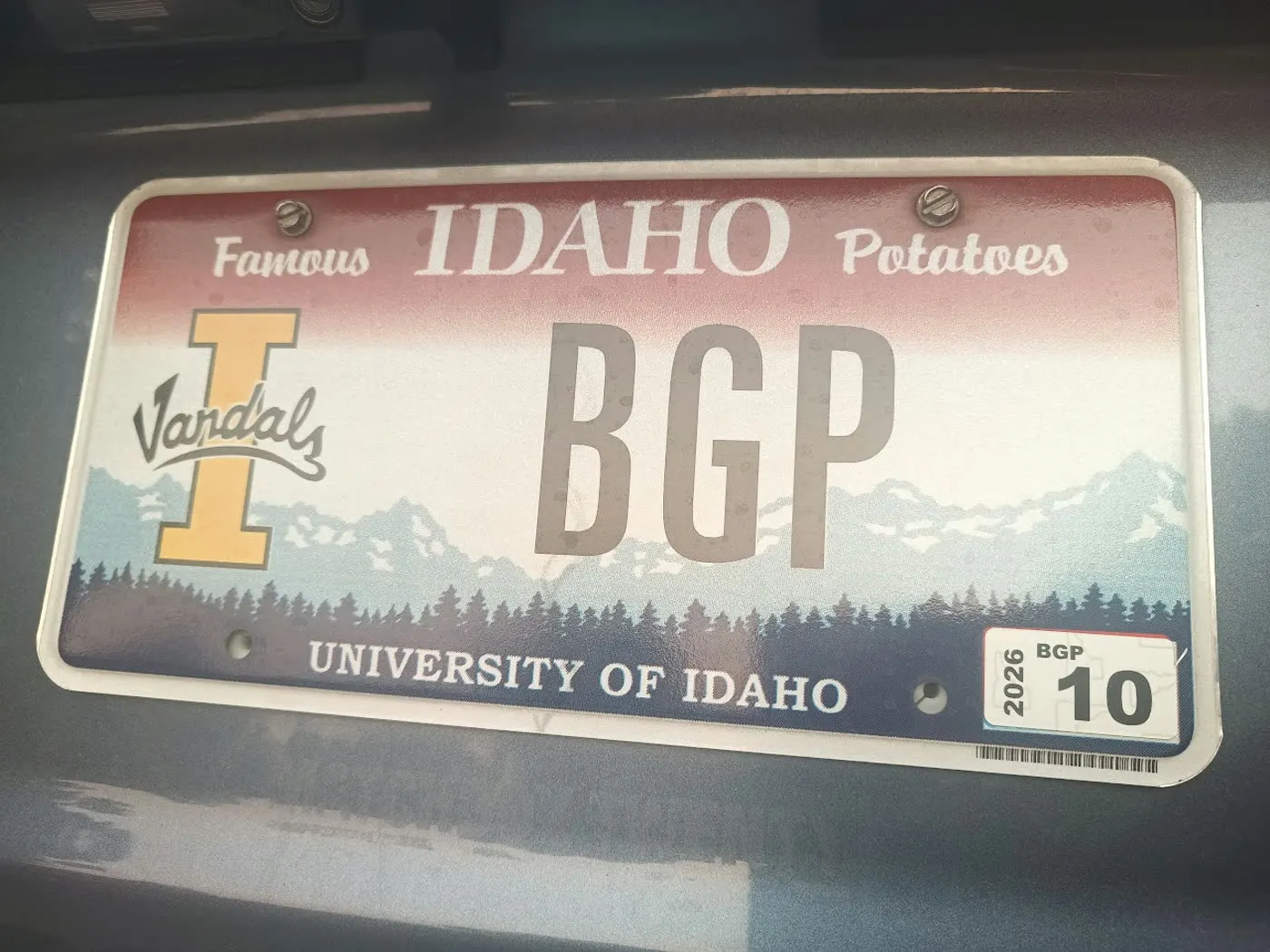
An Idaho license plate reading BGP, on the back of a truck
We take routing personally. The plate is real: Kevin Mueller's.

CIS is an IPv6-first network, and every parcel is registered for its own IPv6 allocation: a block of modern internet addresses that belongs to the lot itself, documented like the plat. Run servers, a lab, or a business from home without asking anyone to open a port. Legacy IPv4 is fully supported alongside it, because the rest of the internet hasn't finished moving yet, but here the future is the default, not the add-on.

A rubber stamp reading first-class IPv6, with IPv4 supported, legacy noted underneath
Fibers per phase trunk
72
Dedicated pair per homesite
58 of 58
Paths to every vault
2
Core handoff class
10 Gig+

How we are building it · The trunk

A two-mile ring, not a dead-end spur.

Measured off the civil drawings, the mainline runs right about two miles around the road loop and home to the core. It is built as a ring: the trunk leaves the core, passes every lot frontage, and returns on the far side of the loop. Every vault on the ring can be reached from two directions.

Rings only earn that resilience when the two return paths are physically apart, so ours come back to the core in separate trenches on separate sides of the road. A backhoe strike on one side is a splice call, not an outage. That separation costs almost nothing while the roads are being cut and is nearly impossible to retrofit later, which is exactly why it is in the civil plan and not on a wish list.

The conduit goes in with innerduct, so future cable is blown in without opening ground. Slack loops wait at every vault. Every run, vault, and splice point is mapped in the same records as the plat, findable decades from now.

The trunk, by the numbers →

How we are building it · The cable

A 72-fiber trunk per phase, pulled once.

Each phase pulls its own 72-fiber single-mode trunk while its roads are open. Phase 1's cable carries a dedicated pair to each of its twenty-five homesites, fifty working strands, with the rest resting as spares for repair, growth, and services that have not been invented yet. Phase 2's cable arrives with Phase 2's trench, on the same terms.

One cable per phase is a deliberate choice. The glass is a small share of the installed cost; the labor of pulling and splicing is the expensive part, so each phase gets one pull, one splice plan, one map. And because the plant is phased with the land, the network grows exactly as the neighborhood does, never a strand stranded ahead of a road that does not exist yet.

How we are building it · The handoff

A vault at every lot line.
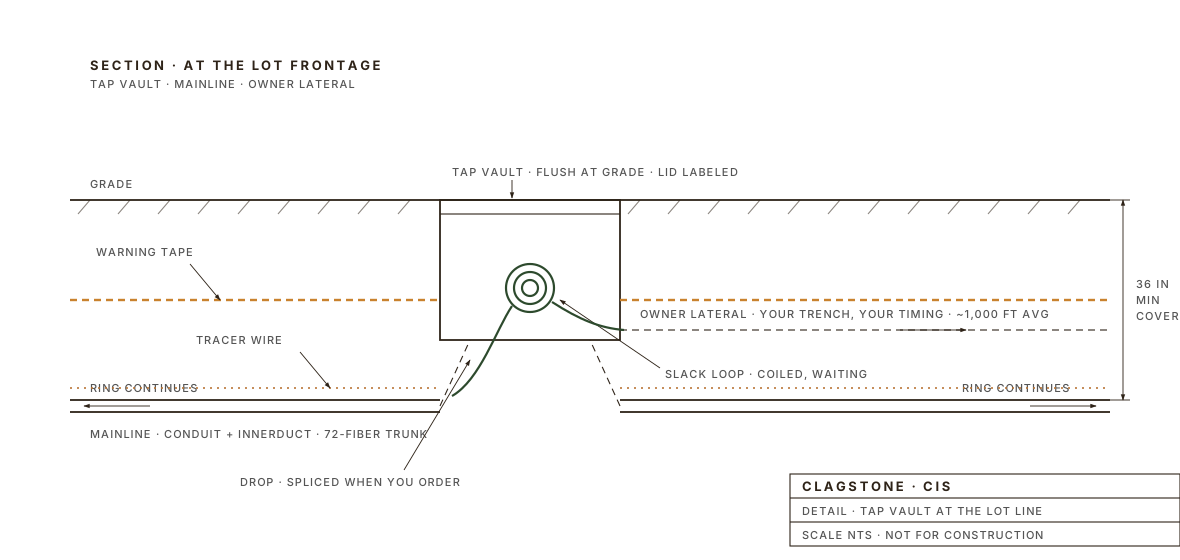
The ring taps into a service vault at each homesite's frontage. That vault is the handoff, the same clean line residents already understand from power and water. The neighborhood builds and owns everything up to it. From the vault to your building is your land and your call: you cut the driveway trench and lay the conduit when you build, on your own timing, with no one digging on your property but you.

Then CIS pulls the glass through your pathway and installs and owns the termination equipment at your house, so the network stays consistent end to end. On these six-acre homesites the average run from vault to building site is right around a thousand feet: a real distance, which is why the conduit-first model matters. Dig once, while your driveway cut is already open.

Project: CIS fiberSubject: the tap vaultSheet: 2 of 3By: the neighborhood
Section drawing at a lot frontage: the tap vault flush at grade with a slack loop coiled inside, mainline conduit with tracer wire and warning tape at 36 inch cover, the ring continuing both directions, and the owner lateral leaving toward the building
What's under the lid at your frontage, waiting

Your side of the wall

Bring your own gear. It's a standard plug.
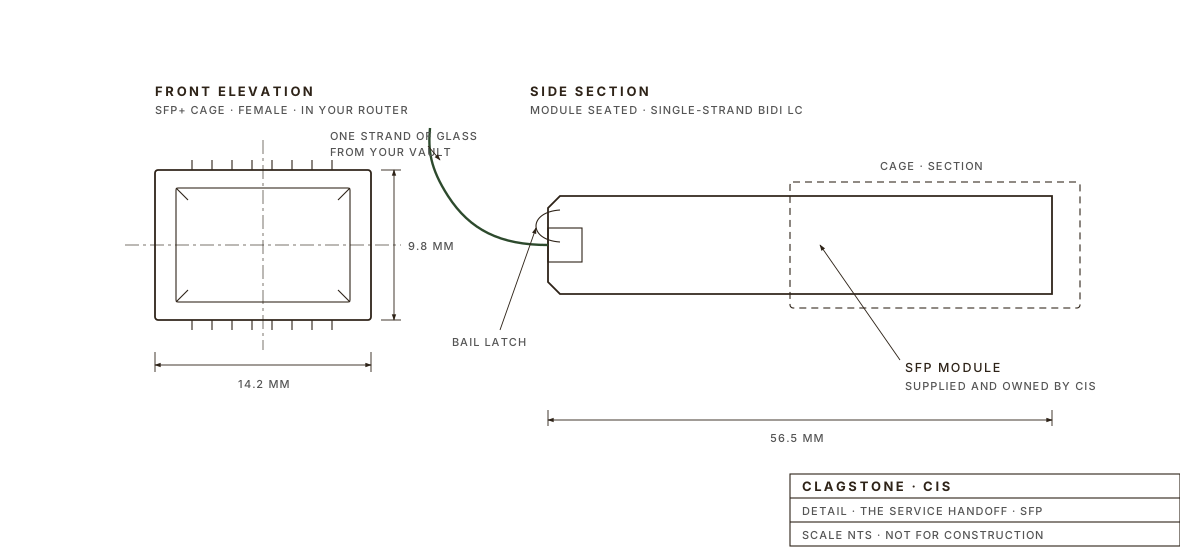
The glass to your house is standard single-mode fiber, the same thing carriers hang continents on, and the service hands off on an ordinary SFP optic, the open standard every serious network vendor speaks. Put whatever you like on the other end: any SFP-capable router or switch works, from a used enterprise box to the latest prosumer gear. No rented modem, no blessed-equipment list, no monthly hardware fee.

Project: CIS fiberSubject: the service handoffSheet: 3 of 3By: the neighborhood
Engineering detail drawing of the service handoff: front elevation of the SFP cage in the owner's router beside a side section of the CIS-supplied module, with a single strand of fiber entering from the vault
The whole interface between CIS and your house, at actual complexity

There is no buildout obligation either. Commons Wi-Fi covers the neighborhood during construction and stays on after, so you are connected from the day you close, and a build site can run on a repeater off the commons signal for as long as that suits you. Order your fiber drop when you want it; the vault will be waiting.

And if you care about running gear you can actually read the schematics for, so do we. We are following the open-hardware router movement closely, projects like the Mono Gateway, a 10-gigabit router with published board files and open firmware, built to run OPNsense and OpenWrt. A neighborhood that owns its glass pairs naturally with homes that own their electronics, all the way down to the source code.

Because the spares exist

Dark fiber, neighbor to neighbor.

With spare strands resting in every vault, two homesites can ask for a private pair spliced between them: no internet, no core, just glass from your building to a neighbor's. Back up your files to a friend's garage down the road. Run a private link between workshops. It is the kind of thing metro colocation customers pay real money for, and here it is a splice request, because the hard part went in the ground on day one.

Dark fiber, explained properly →

The service this plant carries

The design is the skeleton. The story of the service itself, the link, the fiber path, and why Clagstone built its own ISP, lives on the main connectivity page.

Back to the CIS story →

Walk your lot. Find your vault.

The ring passes every frontage in the neighborhood. Come see where yours taps in.