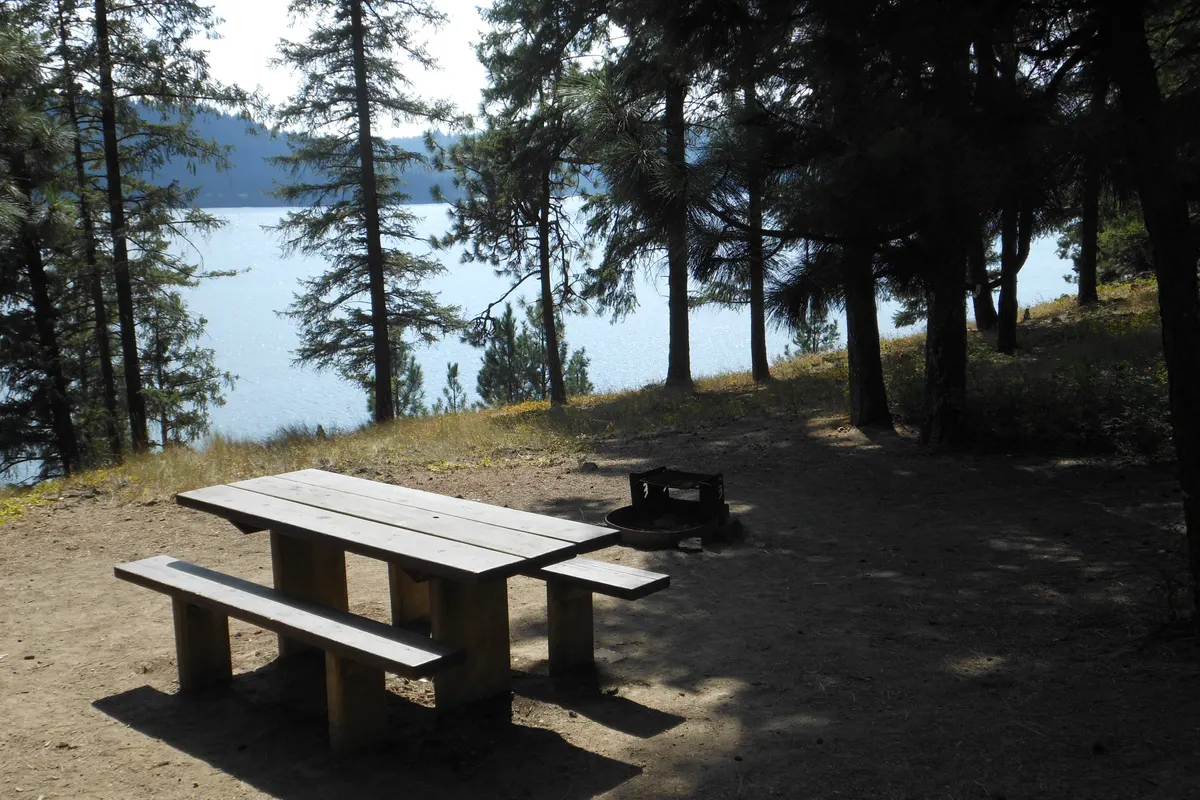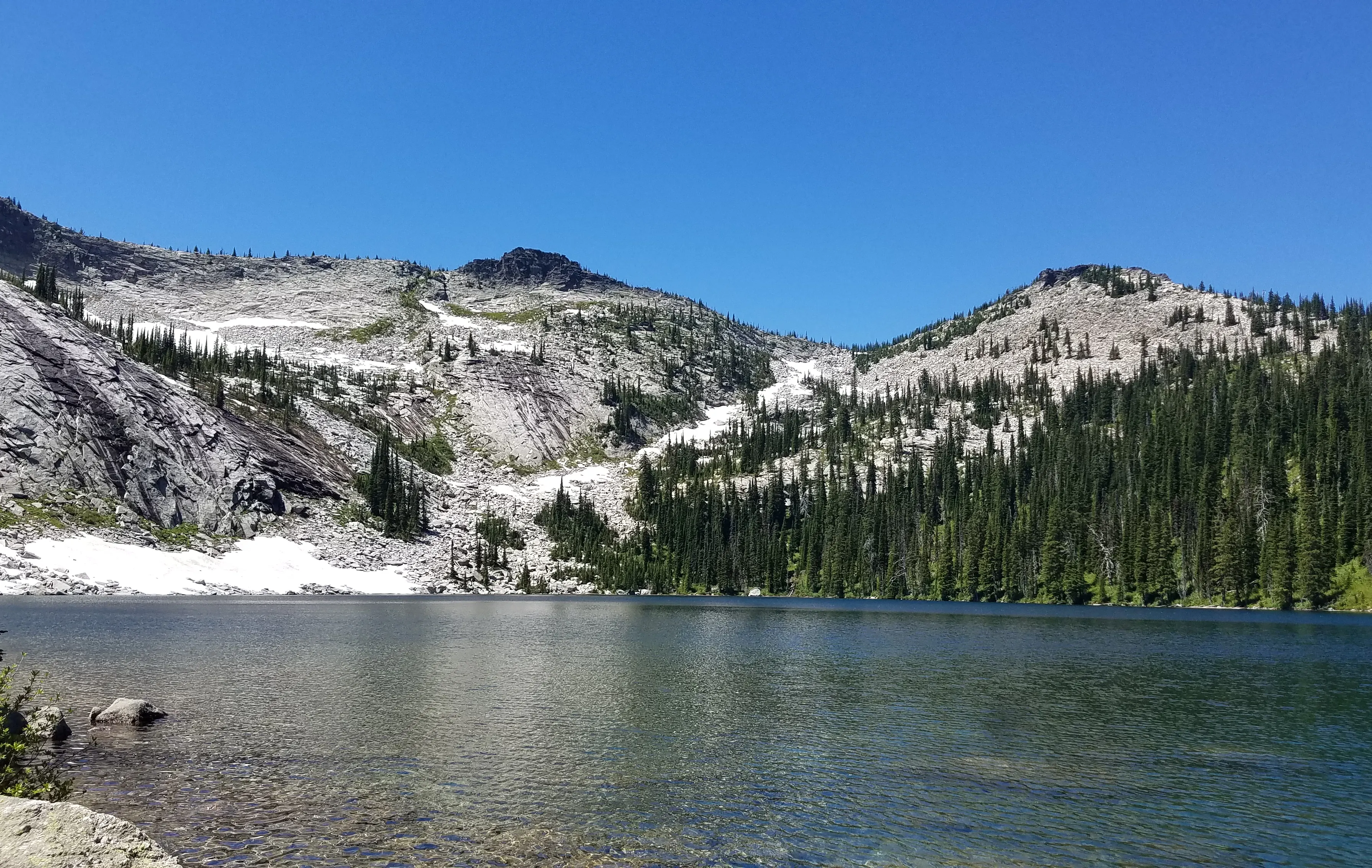
Here is the part most people miss on a raw lot in North Idaho.
Normally the land sits there costing you taxes until you decide to build. Clagstone was set up differently. Along Highway 54, real fiber to the home rounds to zero percent of the corridor, and every rural developer either ignores it or promises that satellite covers the gap. Joe negotiated a dedicated broadband agreement for Clagstone specifically, so every one of the fifty-eight homesites has multi-gigabit fiber service available on day one, before the first house closes. Even a buyer who does not need the connection immediately walks away with a lot whose spec sheet says fiber at the frontage, in a corridor where nobody else’s does. Property specs like that hold their value.
The rest of what is Phase 1 real today: fifty-eight legacy homesites of six acres, give or take. A PE-stamped civil plat by Olson Engineering. Public paved roads plowed by the highway district at no cost to the owner. Twenty-eight minutes to Sandpoint, twenty-six to Coeur d’Alene, an hour to Spokane International. Stimson timberland at the door and a town when you need one, on ground the glaciers scoured flat.
The demand side is not theoretical. Kootenai County has grown more than forty percent since 2010 and is closing in on two hundred thousand people. Silverwood, five minutes up the highway, draws roughly eight hundred thousand visitors a season and was just acquired by the family company behind Dollywood. Rathdrum, fifteen minutes south, is one of the fastest-growing cities in Idaho, and the state has committed roughly three hundred forty million dollars to widening US-95 between Coeur d’Alene and Sandpoint. The corridor is coming this way.
The land itself is the primary asset. The fiber arrangement is the one that stops the property from being average.
The connectivity page has the whole story.
All of that sits on actual ground. See the fifty-eight on the plat →